Navigating the ever-changing landscape of Steam s game library can be tricky for busy gamers. This article provides essential information on what games Steam is removing and why helping you stay informed and prepared. Discover how delistings impact your library game access and future purchases. We cover common reasons for removal such as licensing issues developer decisions and technical problems. Learn practical tips to identify potentially removed games backup your favorites and find alternatives. Whether you are a casual player or a dedicated enthusiast understanding Steam s content policies is crucial to maintaining your gaming collection. This guide is tailored for US gamers who balance their passion for gaming with work and family ensuring you get the most value and enjoyment from your limited gaming time. Stay ahead of the curve and protect your digital investments with our comprehensive insights.
Related games- How To Protest Roblox Effectively A Gamers Guide
- Guide to Hiding Past Roblox Usernames 2026
- Guide What Games Is Steam Removing & How To Prepare
- Can You Hack Steam Games The Truth for Busy Gamers
- How To Get Roblox Serious Face: Guide & Tips 2026
What exactly does it mean when Steam removes a game?
When Steam removes a game, also known as delisting, it means the game is no longer available for purchase from the Steam store. Existing owners can generally still download, install, and play the game from their library, assuming its servers (if online) remain active. It's about availability for new buyers, not typically about revoking access for those who already own it.
Why are so many games getting removed from Steam these days?
The primary drivers for games being removed from Steam are expiring licensing agreements (for music, brands, or IP), a publisher or developer deciding to pull their game (due to company closure, platform exclusivity, or strategic shifts), or persistent technical issues making the game unplayable. These factors are common in the ever-evolving digital storefront landscape.
How can I check if a specific game is about to be removed from Steam?
Unfortunately, Steam doesn't provide a direct 'upcoming removals' list. However, you can monitor community sites like SteamDB, which often highlight games that are becoming unavailable. Also, watch for news from the game's developer or publisher on social media, official forums, and gaming news outlets, as they usually announce delistings. Deep, unusual sales can also be a subtle hint.
If a game is removed, do I lose my saves or achievements on Steam?
Generally, no. Your game saves are usually stored locally on your PC or backed up via Steam Cloud, separate from the game's store status. Achievements are also tied to your Steam profile and typically remain even if the game is delisted. The core functionality and your progress are usually unaffected, unless the game relied on specific online services that are also shut down.
Are there any ways to buy a game after it has been removed from Steam?
It becomes much harder, but sometimes possible. You might find CD keys from third-party resellers, but always verify their legitimacy. Occasionally, the game might reappear on other platforms like GOG or be rereleased as a 'definitive' or 'remastered' edition with new licenses. Physical PC copies are another rare option for older titles, but compatibility can be an issue.
What types of games are most likely to be removed from the Steam store?
Games with extensive licensed content (music, movie tie-ins, real-world brands like cars or sports teams), games from defunct studios or publishers, and older online-only titles with low player counts that no longer justify server maintenance are most susceptible. Any game relying on third-party assets with finite license agreements is at higher risk of eventual delisting.
How can I back up my owned Steam games to protect against future removals?
Steam has a built-in 'Backup and Restore Games' feature under the 'Steam' menu, allowing you to create local copies of installed games. Alternatively, you can manually copy the entire game folder from your 'steamappscommon' directory to an external drive. Remember to back up your save files separately, as they are typically in different locations. This ensures you have the game files even if future downloads are blocked.
Hey fellow gamers! Ever log onto Steam, ready to dive into a beloved title, only to find it vanished from the store? It's a common, frustrating experience for many of us who juggle work, family, and a precious few hours of gaming each week. We invest our time, money, and emotional energy into these digital worlds, so when games disappear, it feels like a piece of our carefully curated relaxation time is suddenly at risk. With 87% of US gamers regularly playing, averaging over 10 hours a week, and a significant portion focusing on PC gaming, staying informed about your digital library is more important than ever. This isn't just about losing access; it's about preserving your investment in fun and escapism. You want to unwind, enjoy a great story, or connect with friends without worrying if your game will be there tomorrow. That's why understanding what games Steam is removing, and why, is crucial for any gamer looking to optimize their experience, avoid disappointment, and ensure their precious gaming moments are protected. Let's dig into the reality of Steam game removals and how you can stay ahead of the curve.
We all value our gaming time, and nobody wants to spend it troubleshooting a missing game or searching for alternatives when a favorite title vanishes. This guide is designed for you, the busy gamer who loves the convenience and vast library Steam offers, but also needs practical, straightforward answers to common concerns. We're here to help you navigate the often-confusing world of game delistings, offering clear explanations and actionable advice. From understanding the root causes of removals to proactive steps you can take to protect your game collection, we'll cover everything you need to know. No hype, just helpful information to keep your gaming life smooth and enjoyable.
Why Do Games Get Removed From Steam In The First Place
Games can be removed, or delisted, from Steam for several primary reasons. The most common cause is expiring licensing agreements. Many games use third-party music, characters, or intellectual property, and when these licenses expire and aren't renewed, the publisher might have no choice but to pull the game from sale. Another frequent reason is a publisher or developer decision. Sometimes a studio shuts down, a publisher loses interest in a title, or they might move the game to an exclusive platform. Technical issues, like a game becoming unplayable on newer operating systems or severe unfixable bugs, can also lead to removal. While less common, legal disputes or violations of Steam's content guidelines can also result in a game being delisted.
Does Removing A Game From Steam Mean I Can No Longer Play It
This is one of the biggest concerns for gamers, and thankfully, the answer is usually no, not if you already own it. When a game is removed from the Steam store, it typically means new purchases are no longer possible. However, if the game is already in your Steam library, you generally retain access to it. You can still download, install, and play it as long as the underlying servers (if it's an online-only game) remain operational and the game doesn't rely on external DRM that might cease functioning. The main inconvenience is that friends won't be able to buy it, and you won't be able to repurchase it if you uninstall and clear your local files unless you have it backed up. Think of it as a physical game going out of print; existing copies still work.
How Can I Keep Track Of Games Being Removed From Steam
Staying informed requires a bit of proactive effort. Unfortunately, Steam doesn't provide a comprehensive, real-time public list of upcoming delistings. However, several community-driven resources are invaluable. Websites like SteamDB are excellent for tracking game status, often highlighting when games become delisted or are marked as unavailable. Gaming news outlets and communities like Reddit often report on impending removals, especially for popular titles, so keeping an eye on your favorite gaming news sites and forums can give you early warnings. Subscribing to newsletters from specific publishers or following them on social media can also provide direct updates about their titles.
Are There Early Warning Signs A Game Might Be Delisted
Yes, there are often subtle indicators. A common sign is when a game stops receiving updates or patches, especially if it's an online title. Decreased community engagement, inactive developer social media, or a game being pulled from other digital storefronts (like GOG or console stores) can also signal an impending Steam delisting. If a game goes on a deep, uncharacteristic discount sale for an extended period, it might be a publisher trying to sell off remaining licenses. Also, if a game's publisher or developer goes out of business or gets acquired, their older catalog might be at risk. Paying attention to these trends can give you a heads-up.
How Do Licensing Issues Affect What Games Steam Is Removing
Licensing issues are perhaps the most frequent culprit behind game removals. Modern games are complex creations, often incorporating licensed music soundtracks, celebrity voice acting, branded vehicles, sports teams, or movie tie-ins. These licenses have expiration dates, and renewing them can be costly or simply not worth it for older titles that don't generate significant revenue. When a license expires, the publisher must remove the game from sale to avoid legal repercussions. This is why you often see racing games with specific car models or sports games with real-world teams disappear, as the brand deals lapse. It's not Steam removing the game per se, but the publisher fulfilling their legal obligations.
What Role Do Developers And Publishers Play In Game Removals
Developers and publishers have significant control over their game's presence on Steam. A developer might decide to pull their game if they feel it's no longer representative of their work, they want to re-release it in an updated form, or they prefer to move to a different distribution model or platform. For example, a publisher might acquire a studio and decide to consolidate their entire catalog onto their own launcher or a different store. Sometimes, a smaller developer might simply cease operations, making it impossible to maintain the game on Steam, leading to its eventual removal. These business decisions are a substantial factor in what games are removed from Steam.
Can I Back Up My Steam Games To Prevent Loss After Removal
Absolutely, and it's a smart practice for any game you deeply value. Steam itself provides a built-in backup and restore function, allowing you to create local copies of your installed games. You can find this option under 'Steam' then 'Backup and Restore Games'. While this won't save online-only game functionality if servers shut down, it ensures you have the core game files. Alternatively, you can simply copy the game folders from your 'steamappscommon' directory. This way, even if a game is completely removed and can't be downloaded via Steam anymore, you have a local copy you can potentially re-add to your library or launch directly, depending on the game's DRM. Always consider backing up your save files separately too!
What Alternatives Exist For Delisted Games If I Missed Out
If a game you wanted gets delisted, it's not always the end of the road. Sometimes, a game might reappear on another platform like GOG, which specializes in DRM-free titles, or on console digital stores. Keep an eye out for 'definitive editions' or 'remasters' that might secure new licenses and relaunch the game. Physical copies for older PC games can sometimes be found, though compatibility with modern systems can be a challenge. Emulator communities also preserve older titles, but be mindful of legal implications. Finally, the indie game scene is booming with spiritual successors and games inspired by classics, so you might find a new favorite that scratches a similar itch.
How Does This Month's Gaming Trend Of Social & Cozy Games Impact Removals
The current trend towards social and cozy games, often played with friends or family, emphasizes persistent online access and community features. For these types of games, delisting can be particularly impactful. If a social game relies heavily on dedicated servers for multiplayer or shared progression, its removal and subsequent server shutdown could render the game unplayable even for owners. Developers of these games are often smaller studios who might struggle more with licensing renewals or long-term server maintenance if their titles don't maintain a consistent player base. This means that while these games are popular for stress relief and connection, they might also be vulnerable to removal if their economic model isn't sustainable long-term. Always check the developer's commitment to server support for your favorite cozy online titles.
Are Free-To-Play Games More Susceptible To Removal Than Paid Titles
Free-to-play (F2P) games operate on a different financial model, relying on in-game purchases rather than upfront sales. This model can make them more susceptible to removal if they fail to generate sufficient revenue to cover development, server, and licensing costs. If an F2P game isn't attracting enough players or purchases, a publisher might deem it no longer financially viable to maintain, leading to its delisting and eventual server shutdown. Paid titles, while still subject to licensing and publisher decisions, generally have a clearer revenue stream from initial purchases, which can sometimes extend their lifespan, especially for single-player experiences that don't require ongoing server maintenance. However, both types of games are ultimately at the mercy of their creators' and license holders' decisions.
Does Steam Have A Policy On Notifying Players Of Upcoming Game Removals
Steam's policy on notifying players about upcoming game removals is generally indirect. Valve, the owner of Steam, typically does not announce when a third-party game will be delisted. The responsibility for announcing such changes usually falls on the game's publisher or developer. Some publishers are good about giving advance notice through their social media channels, official websites, or in-game announcements. Others might remove a game with little to no prior warning. This lack of a centralized, mandatory notification system means gamers often rely on community vigilance and third-party tracking sites like SteamDB to stay informed. It's a pain point for many players, highlighting the need for personal proactive measures.
Can Regional Restrictions Lead To A Game Being 'Removed' In Certain Areas
Yes, regional restrictions can effectively act like a form of 'removal' for players in specific areas. A game might be available for purchase and play in one country but be completely unavailable or delisted in another due to various reasons. These reasons can include local censorship laws, regional licensing agreements (e.g., a publisher only has rights to sell in North America, not Europe), or even disputes with local distributors. While the game isn't removed globally from Steam, it is effectively removed from your local storefront, preventing purchase. If you already own it, you might still be able to play, but new purchases are blocked. This can be particularly frustrating for gamers traveling or moving to different regions.
FAQ Section
What is the most common reason for games leaving Steam?
The most common reason for games leaving Steam is expiring licensing agreements, often related to music, intellectual property, or specific brand integrations. Publishers choose not to renew these costly licenses for older or less profitable titles, forcing them to delist the game.If a game is removed, can I still download and play it?
Generally, yes. If you already own a game that gets removed from Steam, it will remain in your library, and you should still be able to download and play it. The removal primarily affects new purchases, not existing ownership, unless the game relies on defunct online servers or DRM.How can I find out if a game I want might be removed soon?
Look for warning signs like prolonged lack of updates, developer inactivity, deep clearance sales, or news about publisher closures or acquisitions. Websites like SteamDB or gaming news sites often track and report on potential delistings as well.Does Steam notify users before a game is delisted?
Steam itself typically does not notify users directly about third-party game delistings. This responsibility usually falls to the game's publisher or developer, who may or may not provide advance warning through their own channels. Always check official game announcements.What should I do if my favorite game is delisted?
First, confirm it's still in your library and playable. If you haven't bought it yet, check other digital stores like GOG for availability. Consider backing up the game files if it's a single-player experience. Explore community patches or mods if official support ends.Can a removed game ever return to Steam?
Sometimes, yes. A game might return if a new publisher acquires the rights, licenses are renegotiated, or a remastered version is released. However, this is not a guarantee and often happens years later, if at all. It's rare for an identical version to simply reappear.In conclusion, while the thought of what games Steam is removing can be a source of anxiety for many gamers, understanding the underlying reasons and taking proactive steps can significantly reduce that stress. For those of us balancing gaming with life's other demands, our time and investment in digital entertainment are precious. By staying informed through community resources, recognizing early warning signs, and utilizing Steam's own backup features, you can safeguard your game library and continue to enjoy your favorite titles without constant worry. Keep an eye on publisher news, engage with fellow enthusiasts, and don't hesitate to back up those treasured single-player gems. Your gaming peace of mind is worth it. What's your biggest gaming challenge when it comes to delisted games? Comment below!
Steam removes games due to licensing, developer requests, or technical issues. Removals do not always mean you lose purchased games; they just become unavailable for new purchases. Staying informed helps gamers manage their libraries and discover new titles. Use tools like SteamDB to track delisted games. Plan ahead by wishlisting games you might want before they disappear. Engage with the gaming community for early warnings and discussions about potential delistings.
35


Steam Sales 2026 Calendar Full Dates Best CD Key Deals AllKeyShop Com All Steam Events 2026. The Most Played Games On Steam For 2026 So Far Cheat Code Central Most Played Games Steam 2026 2048x1167 . Indie Dev Removing Steam Game After New Girlfriend Tells Him AI Is Bad AI Game Delisted Steam . Steam 2026 4 New Free To Play Games Available Now AllKeyShop Com Showcase Steam Free Games 2026 Indie F2p Card Roguelike Sci Fi. 10 Most Wishlisted Strategy Games On Steam In 2026 Top 10 Most Wishlisted Strategy Games On Steam In 2026


Steam Drops Free Download For Gorgeous New 2026 Game . My Current Steam Wishlist 2025 2026 New Games YouTube . Best Indie Multiplayer Games On Steam 2026 Edition LRDev Games 4.Best Indie Multiplayer Games On Steam Collection. Free Indie Steam Games You Should Play In 2026 Image. The Top 2026 Games By Steam Wishlists By Rhys Elliott 688cc700 D4c5 483d 8b01 1606x902
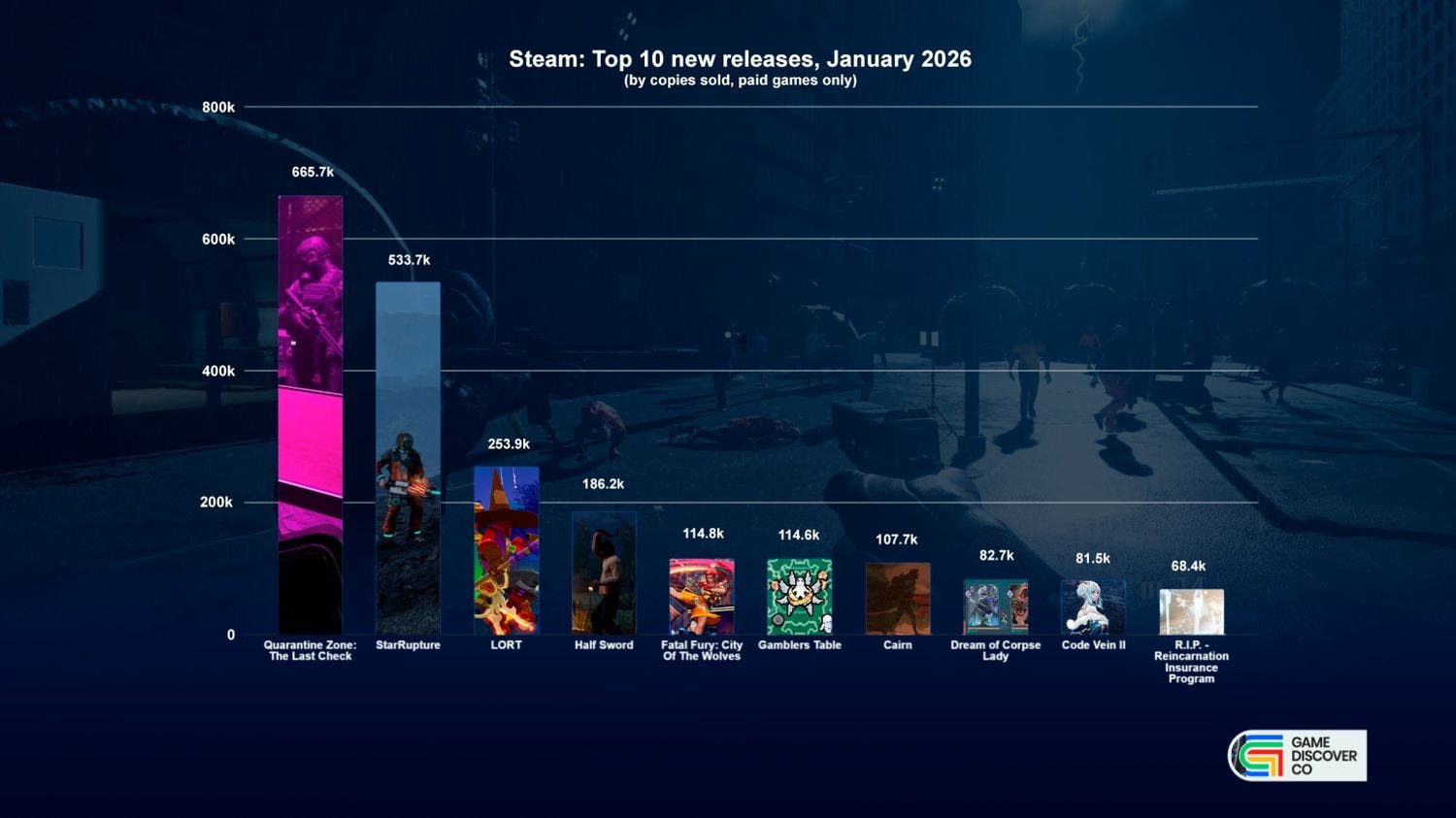


January 2026 S Top Selling New Steam Games Revealed 08418405 04a2 47eb B48b 1500x843 . Steam Next Fest February 2026 Edition Jumping Into 2026 MixCollage 23 Feb 2026 08 57 AM 2571 . Best Indie Multiplayer Games On Steam 2026 Edition LRDev Games 1.Best RPG Games On Steam Complete Guide.webp. Valve Insists It Will Release Steam Machine And Steam Frame In 2026 Steam Devices . The Top 2026 Games By Steam Wishlists By Rhys Elliott 23c9e457 4e86 49e1 Af4e 1503x980
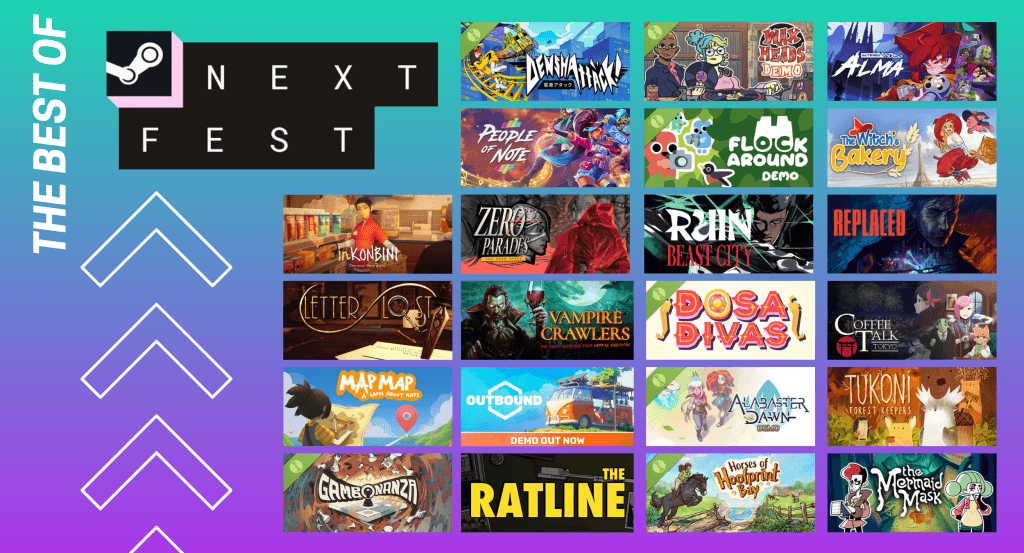



Steam Next Fest February 2026 The 22 Best Game Demos The Best Steam Next Fest Demos 2026 The Punished Backlog 1024x553 . El Regreso De Steam Machine 2026 El Asalto De Valve Al Dominio De Sony El Regreso De Steam Machine 2026 El Asalto De Valve Al Dominio De Sony Y Microsoft . 2026 S First Steam Top Sellers Revealed Week 1 2026 Steam Top Sellers Revealed Week 1 . Valves Steam Controller Hat Einen Starttermin Alle Infos Zu Release Steam Controller 2026 . Xbox Console Sales Decline Amid These Strategic Windows
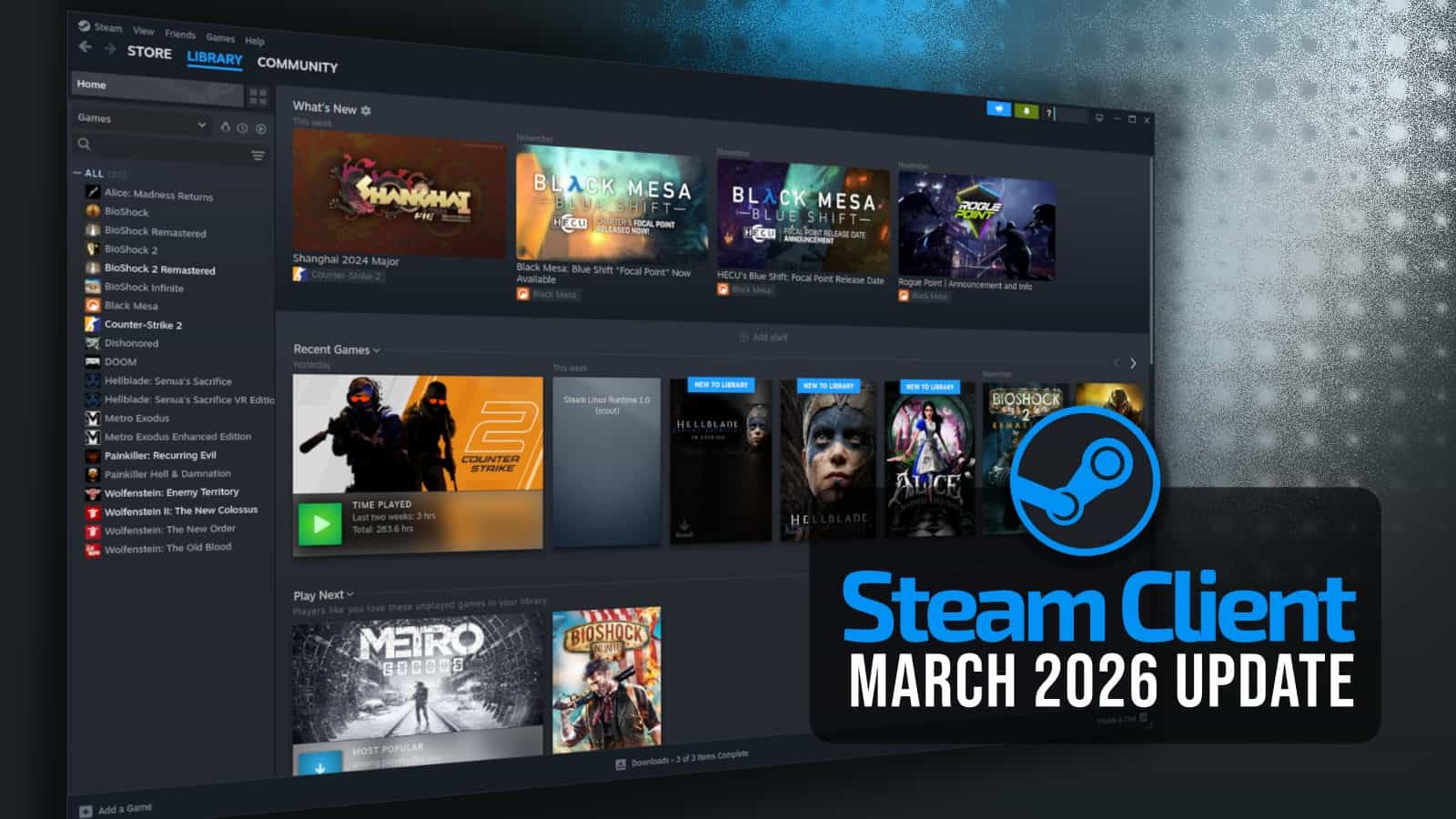

Steam 4 2026 Steam Blue 1 . Steam March 2026 Client Update Adds Hardware Specs To User Reviews Steam Client Mar 2026 . Steam Sales 2026 Here S The Schedule For The First Half Of The Year 1824cr953 . Here Are The Steam Sale Dates For First Half Of 2026 Valve Offers 1864305984 . Steam Sales 2026 Calendar Full Dates Best CD Key Deals AllKeyShop Com All Steam Events 2026 1.webp


Kalender Lengkap Event Steam 2026 Diskon Besar Dan Festival Game Favorit Steam Events 2 Q82 W2560 H 74ce0.webp. Valve Steam Machine PC Console Hybrid Launches Early 2026 Why It Could Valve Steam Machine 2026 Official Product Photo 1024x512 . The Top 2026 Games By Steam Wishlists By Rhys Elliott Fc2aa87f 2277 4294 9e7b 1920x1080 . Kalender Lengkap Event Steam 2026 Diskon Besar Dan Festival Game Favorit Steam Events Q82 W2560 H 27565.webp. How To Uninstall A Game On Steam Mac Detroit Chinatown



Valve Reveals Full Steam Sale Schedule Through Summer 2026 Gaming Amigos F95046. Steam Next Fest February 2026 The 22 Best Game Demos The Best Steam Next Fest Demos 2026 The Punished Backlog Order 2 300x162 . Upcoming Games In 2026 PS5 Games YouTube . Top Rated Steam PC Games Released Last Week 13th 19th Of July 2026 Image41 . TOP 21 NEW Upcoming Games Of 2026 YouTube